Plumbing looks straightforward until you're looking at a rusty shutoff valve that will not close and your brand-new tap won't line up with the sink openings. I've mounted and replaced more faucets than I can count, from quick swaps in apartments to complete cooking area upgrades with purification and touchless attributes. Often the do‑it‑yourself path makes ideal feeling. Various other times, a two-hour task comes to be a weekend break of mopping, driving for parts, and vivid language. The wise choice comes down to 3 angles: your home's existing plumbing, the tap you're mounting, and your cravings for danger and hassle.
What you're truly changing when you change a faucet
A tap resembles an easy device, yet several systems intersect under that sink. Supply lines feed hot and cold water with shutoff valves, after that into the tap body. The tap mounts through holes in the sink or kitchen counter, normally one to three holes spaced at 4 inches, 8 inches, or a custom format. Many taps now consist of an incorporated sprayer, a pull‑down hose, or added gadgets like soap dispensers or filtered water taps, which all influence room and routing. Drains are separate, yet you'll often loosen up the catch or P‑trap to maneuver, and any slip or bump can loosen up old seals. The job is as much about taking care of status quo as it is about the glossy brand-new fixture.
A brand-new tap influences water pressure and flow, dash pattern, and the elevation you function under. A high‑arc cooking area faucet might look great in images yet can spray outside a superficial sink. A low‑flow bathroom faucet conserves water, and often peace of mind if you have a septic system that battles, however the aerator layout matters much more for the feel of cleaning hands. Many house owners determine based upon style initially, after that battle with fitment later on. It works much better in reverse: fit the faucet to the sink framework and your day-to-day behaviors, after that pick the finish and style.
When DIY makes sense
Replacing a like‑for‑like faucet with healthy shutoff valves and basic adapters is one of one of the most approachable plumbing tasks. If your sink has clear gain access to and you can comfortably fit your shoulders in the cabinet, you can frequently complete an uncomplicated swap in 60 to 120 mins. It assists if you can determine port kinds on sight, and if you've obtained adequate hold stamina to break complimentary old placing nuts.
A standard cooking area or washroom faucet commonly gets in touch with 3/8 inch compression fittings on the supply lines and a keeping brace or large nut that sandwiches the faucet to the sink or countertop. Modern taps ship with braided stainless supply lines pre‑attached, which removes a factor of failure. If your old valves close fully and the old tap appears without dramatization, you're halfway there.
A simple litmus test before you commit
Close the hot and cold shutoff valves, then open the faucet. If water slows to a flow and stops, the valves work. If the faucet still runs, or if the valves weep around the stems, intend on changing those shutoffs, which bumps the job's intricacy. Inspect under the sink with a brilliant light. If you see greenish or white crust around installations, or water discolorations spreading out outward like a halo, you might be taking care of slow-moving leakages or mineral accumulation that complicates removal. Really feel the bottom of the countertop around the mounting area. Inflamed or crumbling particleboard suggests removed clamping surfaces, so you might require bigger washers or a repair service plate to make the new tap secure.
DIY beams when the course is clear: audio valves, typical openings, and no tight‑clearance surprises. In those cases, you get complete satisfaction, discover your pipes makeup, and conserve the call‑out fee.
Where DIY stops working quietly, after that loudly
Most tap setups go wrong in familiar means. The stuck mounting nut is a timeless. Steel strings seize to the old faucet base after years of condensation. You can use permeating oil and wait, but confined area limitations utilize. A container wrench helps, yet if the nut's wings are rounded or the threaded shank rotates inside a decomposed sink deck, you remain in for a battle. I've cut more than one faucet base off with a multi‑tool to escape.
Another failure factor is mismatched hole spacing and deck density. Many contemporary faucets ship with a deck plate to cover additional openings, however not all plates cover a vast void or hefty matching around old holes. Granite or quartz countertops can be remarkably thick, and some taps ship with securing hardware that simply won't bite on a thick deck. You can often purchase a deep‑deck kit, yet not constantly. It's deflating to uncover after unboxing that your faucet can't clamp without special parts you do not have.
Cross threaded or overtightened connectors turn up a day later as a sluggish drip that diminishes the supply line into the cabinet. A small drip adds up to inflamed cupboard bases, musty smells, and revamp that's even more aggravating than getting it ideal once.
The surprise variables that transform the job
The first is water top quality. Hard water develops mineral crust in aerators and fittings, cementing parts together. Homes on well water commonly see iron deposits that stain and corrode, specifically around brass components. If you reside in a region with extremely hard water, expect to eliminate the old tap en route out. Have a vinegar saturate prepared and Faucet Installation Service in West Linn persistence for cleaning up threads prior to reassembly.
The secondly is age and product of the pipes. Copper risers with compression nuts typically forgive light mistakes. Old galvanized steel does not. When you turn an old steel fitting, the joint beyond it can break or crumble. PEX is simple to deal with if you have the appropriate fittings and a clean cut, however mixing fitting brands or forcing bends can cause twists that limit flow. If you see a jumble of adapters piled together under your sink, that typically indicates previous choose a budget. Continue gently.
The third is accessibility. Farmhouse sinks, deep basins, and garbage disposals crowd the workplace. Include an instantaneous hot tank or water filter and you'll need to remove tools just to obtain hands on the tap shank. I prepare added time whenever I see a disposal or a huge soap dispenser bottle due to the fact that they swipe inches where utilize matters.
What experts actually bring to the table
A professional does greater than twist wrenches. We detect, preempt concerns, and bring the oddball parts that turn a snarl right into a tidy surface. A truck supply could include various supply line lengths, repair plates for removed decks, 3/8 to 1/2 adapters, escutcheon packages, and emergency caps if a shutoff valve falls short open. That means one go to, not three trips to the store.
We likewise lug insurance policy and licensure for the situations house owners dread: a shutoff stem breaks, a broken installation starts to spray, or an under‑mount sink shifts while torqueing the tap nut. A lot of us have discovered to stage a pail, decline towels, and shut water at the primary within seconds if a valve won't hold. The distinction between a little obstacle and a drenched kitchen usually boils down to muscular tissue memory.
Finally, we service warranty our work. If a brand-new faucet we install drips or wobbles, we return. That safeguard has value, specifically with premium taps or tricky tops like natural rock, where an error can mar the finish.
Cost facts, not guesses
For an uncomplicated substitute where the old faucet shuts down easily and the brand-new one fits the existing holes, a pro in the majority of city areas will certainly charge a labor charge that varies about from 150 to 350 USD. If shutoff valves need replacement, include 50 to 150 per shutoff depending on access and material, plus the expense of the shutoffs. If the sink or countertop needs a brand-new opening drilled, stone fabricators might charge 100 to 200 for a clean diamond core hole. Touchless taps with control boxes and power materials take longer and can push labor upward by an hour.
DIY expenses include the tap, supply lines if not consisted of, plumbing's tape, silicone or plumbing's putty, a container wrench if you don't own one, and perhaps brand-new shutoff valves. Those devices usually total 25 to 100. The covert cost is time and the risk of damage. Put a number on your weekend break and the calculus changes for some homeowners.
Choosing a faucet that sets you up for success
Pick the tap to fit your sink and your hands, not just your eyes. Step center‑to‑center holes. Confirm deck thickness. If your sink is slim stainless, pick a tap with a wide, durable base and include the rubber or foam gasket that dampens flex. For rock, use the maker's advised sealant, usually a slim bead of silicone instead of putty, to prevent staining permeable materials.
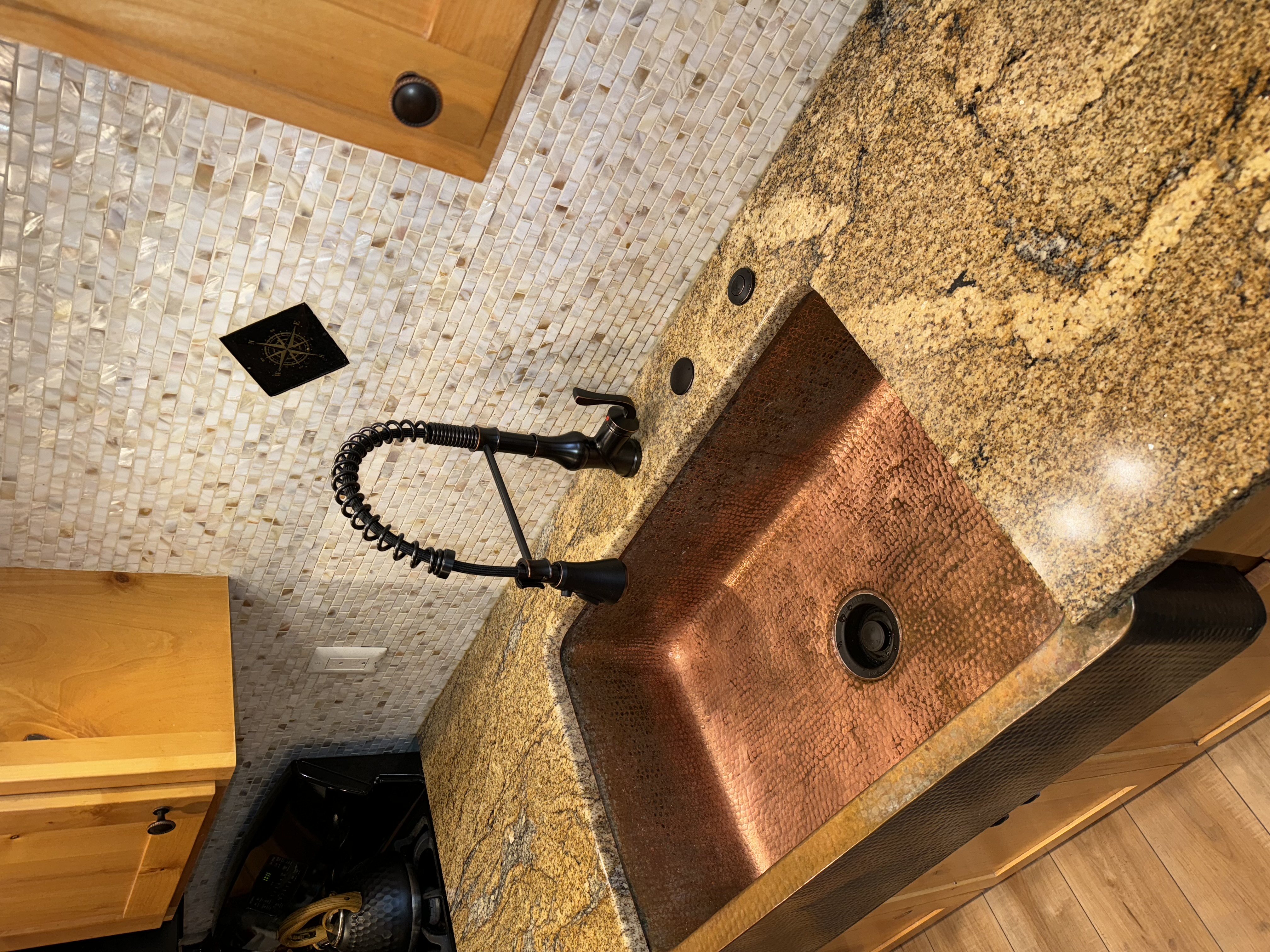
Check the supply line length from the tap body to the shutoff valves. Lines as well short welcome tension, which results in leaks. I choose a mild loop with no tight bends. Validate the connector type on the tap lines and the size of your shutoff valves. The majority of property shutoffs existing 3/8 inch compression, however older homes can amaze you with 1/2 inch IPS. Adapters exist, yet each adapter adds a prospective leakage point.
If you have low closet room or a crowded setup with a disposal and filter system, avoid big control boxes from specific touchless versions unless you can mount them safely out of the drip zone. Battery areas belong where you can change them without contortions.
A sensible, minimalist DIY plan
Use a list only if it prevents a mess. Here is one, and maintain it short.
- Shut water at the local shutoffs, test at the faucet, and set a container and towels in place. Photograph the existing configuration for reference, then detach supply lines and get rid of the old tap hardware with a basin wrench. Clean the deck thoroughly, dry fit the brand-new tap with gaskets, then safeguard it snugly without over‑torqueing. Connect supply lines, hold the tap body to prevent spin, after that open valves slowly while seeing every joint for weeping. Flush the faucet without aerator for 30 to one minute to clear debris, after that reinstall the aerator and examine operation.
That sequence avoids the usual mistakes: failing to remember to purge, overtightening, and sealing over old crud that endangers the gasket.
Red flags that justify calling a pro
A shutoff valve that will certainly not shut is the huge one. If you can not separate water at the sink and aren't comfy closing at the main, you're inviting a flood while you exchange components. Likewise, any kind of sign of energetic deterioration or adaptable supply lines with bubbles or cracks requires interest past a faucet swap. A tap that requires a different opening pattern than your sink supports is another no‑go unless you intend counter top work.
Touchless models with outside mixing shutoffs, incorporated filtration, or lines that travel through narrow sink networks increase the intricacy. If you need to snake a hose pipe with a limited granite cutout that already massaged the old line raw, you desire somebody that understands just how to protect the hose pipe with a sleeve and reroute it to stay clear of future wear.
Regional and structure quirks
Older urban buildings can govern plumbing work through structure organizations or regional codes. Some organizations call for qualified plumbing technicians for any water fixture change, particularly if your job might impact downstairs neighbors. In cool environments, unheated crawl spaces under kitchen area lines can ice up. If you disturb insulation while working, you could welcome a wintertime issue. In marine or coastal atmospheres, high humidity speeds up rust on economical mounting equipment. Invest added on stainless equipment or brass nuts to stay clear of a tap that loosens a year later.
Manufacturers differ in exactly how they sustain repair services. Brand names that stock components and answer phones rapidly save migraines in the future. I have actually had excellent luck getting cartridges and gaskets delivered within a week from mainstream brands. Store import faucets can be stunning yet tricky to solution. If that matters to you, weight the warranty terms as component of your decision.
Insurance, resale, and the calm factor
A small leak can turn into a case if it runs behind a closet and into flooring. Home insurance coverage usually omit damage from slow leakages discovered late. An expert invoice and evidence of correct installation can aid if you ever need to show that the job satisfied a standard of care. If you intend to offer in the following year or more, neat pipes with clean loopholes and tidy sealant job leaves a stronger impact during examinations than an or else great tap with sloppy connections.
Peace of mind matters. Some homeowners delight in the job and treat it as a skill to construct. Others want the faucet to feel strong, lined up, and done without dramatization. Neither method is incorrect. The ideal solution shows your limit for danger and your schedule.
What can go wrong after a "effective" DIY install
Two concerns turn up days later on. Initially, mini leaks. Lay a completely dry paper towel under each connection and examine the following day. Any kind of dampness suggests a re‑do of that joint. Second, wobbly installs. If the faucet base isn't supported by a solid, level deck, repeated swivels can loosen the mounting nut. Tap suppliers occasionally consist of a horseshoe‑shaped support plate for thin sinks. If you discarded it, dig it out of the box and reinstall properly.
Another stealthy issue is reduced circulation. Particles from reducing lines or closing valves can lodge in the cartridge or examine shutoffs. Dismantle according to the handbook, rinse components, and reassemble. If you avoided the step of flushing without the aerator, do it now.
Tackling shutoff valves, carefully
Replacing old quit shutoffs seems very easy up until you factor in the pipeline type. Compression‑fit valves on copper can be exchanged with two wrenches and attention to alignment. Soldered valves on copper require lantern skills and defense for neighboring products. Push‑fit valves for copper, CPVC, or PEX are preferred, but they demand a tidy, square cut and appropriate insertion depth. A poor cut or a nicked pipeline can leak months later. If your shutoffs are rusted, frozen, or of unknown add-on, that work goes across into professional region unless you're practiced and have a method to cap the line if points go sideways.
Special cases: disposal, filters, and specialized faucets
A kitchen with a garbage disposal requires extra treatment. The disposal's weight can torque the sink flange. Assistance the disposal while you reach for faucet nuts, or remove it totally for room. Re-install with a new gasket if the old one looks squashed. If your faucet includes a pull‑down hose and you have a disposal, include a weight clip in a setting that removes the disposal body so the pipe pulls back smoothly.
Under sink filtration systems include tubes and fittings that crowd the workplace. Take a moment to layout or picture all lines. Shut down the filter's feed and depressurize prior to moving anything. After setting up the brand-new faucet, remove the https://sites.google.com/view/principledplumbing/blog/accurately-estimate-your-faucet-installation-cost-today filter according to the maker's steps to prevent air hammer and sputters.
Bridge taps, wall‑mounted taps, and pot fillers sit in a various group. They need stiff supply placement and usually new rough‑in job. Save those for a specialist unless you're comfortable opening up wall surfaces or collaborating with exact centerlines.
How to prevent purchasing the incorrect faucet
Read spec sheets, not just product web pages. Search for optimum deck density, opening dimension needs, supply line size, and whether the tap needs putty or silicone. Inspect the spout reach compared with your sink bowl. A spout that lands too close to the rear wall surface creates splashback, while one that reaches also much lands on the front third of the bowl and can really feel awkward for cleaning pans.
Finishes matter for cleaning. Combed or satin hides fingerprints much better than refined chrome. Black coatings vary hugely by supplier; some reveal water places relentlessly, others resist. If you have tough water, focus on coatings that hide spots and aerators that are easy to get rid of and clean.
Making the call: a useful choice framework
If all of the adhering to hold true, DIY is likely the most effective course for your faucet installation:
- Your shutoff valves close completely and do not leakage, your sink openings match the new faucet, and you can get to the installing hardware comfortably. The faucet consists of incorporated supply lines that fit your valves, and you have a basin wrench and great lighting. You have time to check for leaks, flush lines, and re‑tighten after a day. You're replacing like‑for‑like without added devices or control boxes. You're ready to pause and call for aid if you encounter corrosion, spinning shanks, or damaged counters.
If any one of these are incorrect, or you encounter unique conditions like rock tops, half-cracked shutoffs, or touchless systems with control components, employing a specialist will often cost much less in cash and stress and anxiety than a 2nd trip to the store and a wet cupboard floor.
A couple of real‑world vignettes
A small condo bathroom looked like a 30‑minute swap. The proprietor had a brand-new single‑hole faucet and matching drainpipe. The shutoffs worked, but the old faucet's keeping nut had actually integrated to the shank. I tried passing through oil and a basin wrench, no luck. Five extra mins with a portable oscillating device to cut the nut, and the faucet popped totally free. The counter top below was puffy particleboard that barely held strings. I included a stainless repair service plate to disperse lots, tightened to snug instead of heroic, and it held strong. The owner stated they would have compelled it and stripped the deck. That plate, a ten‑dollar part, conserved the day.
Another situation, a farmhouse kitchen with a substantial sink and a heavy disposal. The house owner had actually already set up 2 touchless faucets that failed to withdraw smoothly. The offender wasn't the taps. The pipe weights bumped the disposal and the very first shelf support. We rerouted the hose pipe with a safety sleeve and placed the weight at a reduced position with a wire overview. Immediate repair, no faucet replacement needed. Sometimes installment finesse outruns item choice.
The profits on Faucet Installation choices
You're balancing cost, control, and threat. A mindful property owner with the right tools and a typical configuration can take care of lots of faucet modifications, and the abilities you pick up carry forward to future jobs. An intricate faucet, a rock kitchen counter, suspect shutoffs, or limited area tilts the ranges toward a professional. If you hire, select someone who inquires about your sink product, hole matter, and shutoff condition prior to they arrive. If you DIY, established on your own up with a container wrench, an appropriate light, silicone for stone tops, thread seal tape for male pipe threads when suitable, and patience.
Whatever you pick, reduce for the information that matter. Verify hole spacing, secure do with painter's tape where tools might slip, and flush debris prior to you place the aerator back. Most leaks and callbacks map to hurrying the last 10 percent. Make sure there, and your brand-new faucet will certainly feel like an upgrade every single time you turn it on.
Principled Plumbing LLC
Oregon City, Oregon
(503) 919-7243
https://www.principledplumbing.com/
Review us on Google